Complaints Procedure for Landscaping Hampstead
 A clear complaints procedure is an important part of any professional landscaping Hampstead service. It helps ensure that concerns are handled fairly, calmly, and in a structured way. Whether a matter relates to planting, paving, maintenance, or the overall delivery of a garden project, a good process allows issues to be reviewed with care and resolved efficiently. Transparency matters, especially when clients want reassurance that their concerns will be taken seriously from the outset.
The purpose of a complaint procedure is not only to address mistakes, but also to build trust in the way a landscaping company operates. A well-managed approach shows that the business values standards, consistency, and accountability. In practical terms, it gives both the client and the contractor a clear path for raising concerns and reaching a suitable outcome. For landscaping in Hampstead, this can include anything from poor workmanship and delays to misunderstandings about agreed specifications.
When a complaint is made, the first step is usually to record the issue accurately. This means noting what happened, when it happened, and which part of the service is affected. If the concern involves a feature such as turfing, edging, drainage, or hard landscaping, it is useful to describe the problem in specific terms. A detailed record makes it easier to assess the situation and decide what action is needed. In this way, the process supports both fairness and efficiency.
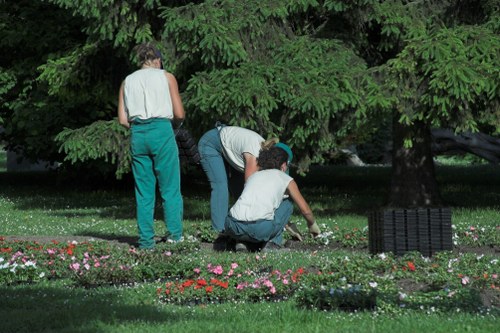 A good landscaping complaints procedure should also define how the complaint will be assessed. This usually involves reviewing the original scope of work, any written agreements, and the condition of the site before and after the work was carried out. It may also involve checking whether materials were supplied as agreed or whether the completed work meets the expected standard. The aim is to separate genuine quality concerns from issues caused by later use, weather, or third-party interference.
Once the issue has been reviewed, the company should explain the next steps in a straightforward way. In many cases, a solution may involve corrective work, adjustments, or further inspection. In other situations, the matter may require agreement on timing, scope, or practical limitations. A professional response should remain polite and focused on facts. It is best to avoid unnecessary conflict and instead look for a resolution that reflects the original arrangement and the needs of the garden.
If more than one person is involved in the project, communication becomes especially important. A landscaping dispute process works best when everyone understands who is responsible for each stage of the review. This helps prevent confusion and reduces delay. The complaint should be handled by someone with enough authority to make decisions or recommend a fair outcome. Clear responsibility is a key part of any reliable service structure.
 In the middle of any complaint process, it is essential to keep communication calm and constructive. A complaint should never be treated as a personal criticism. Instead, it should be seen as an opportunity to understand what went wrong and what can be improved. This is particularly relevant in garden landscaping, where several elements may interact, such as soil preparation, planting design, and finish quality. A methodical response helps ensure that each concern is handled on its own merits.
Timeframes should also be reasonable and clear. Clients want to know when they can expect an update, when the matter will be reviewed, and when a resolution might be implemented. Even if the final outcome takes time, regular updates can reassure all parties that the issue remains active. For a landscape complaint process, consistency is more important than speed alone. A rushed response may overlook details, while a thoughtful response is more likely to be lasting and fair.
It is also useful to distinguish between cosmetic imperfections and more serious problems. Some outdoor features may change naturally over time, especially as plants establish or materials settle. However, if the concern involves work that clearly falls below expected standards, it should be addressed directly. A balanced procedure should recognise the difference between normal variation and genuine shortcomings. That distinction supports a more professional approach to landscaping service complaints.
Where necessary, a company may offer to inspect the site again in order to confirm the issue. This stage can be important for evaluating whether the complaint is about workmanship, product quality, or environmental conditions. A fair inspection should be objective and based on evidence. It can also help prevent misunderstandings by identifying the exact source of the problem. In many cases, this step leads to a practical and proportionate solution.
Documentation plays an important role throughout the process. Notes, photographs, and written summaries can all help support a clear review of the complaint. These records are especially useful if the matter becomes more complex or if several elements of the work are involved. A well-kept paper trail protects both sides by showing what was agreed, what was observed, and how the issue was addressed. That level of organisation reflects well on a professional landscaping business.
Even when a complaint is resolved, the outcome should be explained clearly. The client should understand what action has been taken and whether any further monitoring is needed. If a complaint cannot be resolved exactly as requested, the reasons should be stated respectfully and without ambiguity. This helps preserve confidence in the process and reduces the risk of continuing disagreement. A thoughtful conclusion is a key part of a credible garden service complaints policy.
 Before the issue is closed, it is sensible to confirm that the agreed action has been completed properly. This final check helps ensure that the concern has been dealt with in full rather than only partially. In some cases, a follow-up visit or review may be needed once the remedial work has been carried out. That extra step can make a meaningful difference to the overall quality of the service and the client’s confidence in the result.
A strong complaints procedure also benefits the landscaping company internally. Patterns in complaints can reveal where training, planning, or communication could be improved. For example, repeated concerns about timing may indicate a scheduling problem, while recurring issues with finishes may point to quality control gaps. By learning from complaints, a business can strengthen its service and reduce the chance of similar problems arising in future projects.
 Ultimately, a good complaints procedure for landscaping Hampstead should be fair, practical, and easy to follow. It should give clients confidence that concerns will be reviewed properly, while also giving the business a structured way to respond. When handled well, complaints do not have to damage a working relationship; instead, they can lead to better communication, improved standards, and a more reliable service overall. Respect, clarity, and accountability remain the foundation of an effective process.