Garden landscaping in Hampstead
Garden landscaping in Hampstead is about much more than creating a pretty outdoor space. In an area known for elegant period homes, leafy streets, steep plots, and a mix of private gardens and shared spaces, a well-planned landscape needs to balance style, practicality, privacy, and long-term ease of maintenance. Whether you own a compact courtyard, a family garden, a townhouse terrace, or a larger residential plot, the right landscaping can completely change how the space looks and feels.
For local homeowners, landlords, property managers, and businesses, the biggest difference often comes from working with a team that understands the character of Hampstead. Access can be tight, parking can be limited, and many gardens here have mature planting, uneven ground, boundary concerns, or conservation-style sensitivities. A local service that knows how to work neatly and efficiently is a major advantage. If you are planning a complete garden redesign, refreshing tired planting, or improving a front or rear garden, garden landscaping in Hampstead should be approached with both creativity and care.
From practical hard landscaping to soft planting schemes, the best results come from joining together design, construction, and ongoing suitability for the space. The aim is not just to make the garden look good on day one, but to ensure it works for the way you live, entertains guests, supports children or pets, and stands up to the local growing conditions. That is why many Hampstead customers look for a local landscaping team that can handle the details properly.
Why Hampstead gardens need a thoughtful approach

Hampstead has a distinctive mix of architecture and outdoor spaces, and that variety is one reason garden landscaping here needs careful planning. You may be working with a small enclosed patio, a long rear garden behind a Victorian terrace, a formal front garden, or a shared access space around a converted building. Each type of garden brings different requirements around layout, drainage, privacy, and planting.
Local properties often have mature trees, established hedges, shaded areas, and boundaries that require a sympathetic approach. In some gardens, the challenge is to create more usable space without losing the character that makes the property special. In others, the goal is to improve structure, reduce maintenance, or make the garden feel brighter and more open. Good landscaping in Hampstead respects the existing character while making the space more practical for everyday life.
There are also practical site conditions to think about. Sloped gardens, awkward side access, restricted vehicle parking, and narrow entrances can all affect how materials are delivered and how work is carried out. A local team that understands these constraints can plan the job more efficiently and reduce disruption to you and your neighbours.
Common garden types in the area
Garden projects in Hampstead often involve one or more of the following settings:
- Front gardens that need to look smart, tidy, and welcoming
- Rear gardens behind terrace or townhouse properties
- Courtyard gardens with limited sunlight and compact footprints
- Shared gardens for converted flats or managed properties
- Family gardens that need space for seating, planting, and play
- Commercial outdoor areas for offices, clinics, cafés, and hospitality spaces
What garden landscaping can include
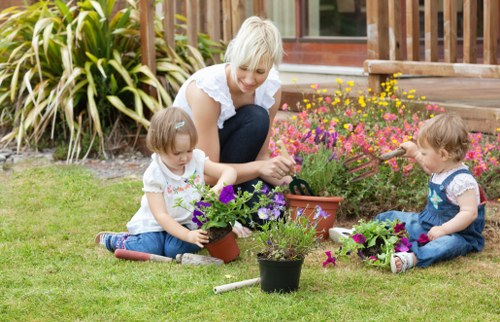
Garden landscaping is a broad service, and the right package depends on what your garden needs. Some customers want a full redesign with new surfaces, planting, and layout changes. Others only need selective improvements such as new borders, turfing, fencing, or a more functional seating area. A good landscaping service should be flexible enough to handle both.
Typical features included in landscape gardening in Hampstead may involve paving, paths, decking, sleeper borders, raised beds, lawn installation, planting design, soil improvement, drainage solutions, fencing, screens, steps, pergola areas, and general garden reshaping. Many projects combine several of these elements to create a finished space that feels balanced and easy to use.
Some customers also want a garden that is lower maintenance. That can mean replacing difficult turf with planting schemes, adding gravel or paving where appropriate, creating better access for routine upkeep, or choosing plants that suit shade, dry spots, or busy family schedules. The best landscape choices are those that save time without making the garden feel plain.
Services often requested by local customers
Here are some of the most common requests in the Hampstead area:
- Complete garden redesign and layout changes
- Front garden improvement and kerb appeal updates
- Patio installation for dining and seating
- Planting plans for shade, privacy, and seasonal interest
- Lawn replacement or new turf laying
- Fence replacement and boundary improvements
- Raised beds and sleeper retaining features
- Drainage corrections for soggy or uneven areas
How the service works
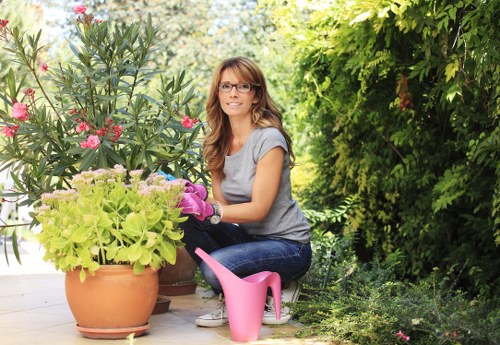
For most customers, the process begins with an initial discussion about the garden, the property, and the way you want to use the space. A local landscaper will usually look at the existing layout, access arrangements, and any site issues that could affect the work. This helps determine what is possible and what should be prioritised.
After that, the project can move into planning. This may include discussing materials, levels, planting styles, functional areas, and how the garden should feel once complete. For example, a Hampstead townhouse garden may need a calm and elegant layout with structure and privacy, while a family home might need a more resilient surface, room for children, and a planting scheme that can handle everyday use. Garden landscaping in Hampstead works best when the design matches the way the property is lived in.
Once the plan is agreed, the work is scheduled and carried out in stages. Depending on the project, this might include clearing the existing area, carrying out groundworks, installing hard landscaping, preparing borders, and then finishing with turfing or planting. If your garden is being used daily, a good team will also plan the job to keep disruption manageable.
Typical project stages
- Site visit and discussion of needs
- Review of access, levels, and practical constraints
- Proposal of layout and material options
- Ground preparation and any necessary clearance
- Installation of structural features and surfaces
- Planting, finishing touches, and clean-up
- Advice on early aftercare and maintenance
Why local knowledge matters in Hampstead
Using a local team for landscaping in Hampstead brings real advantages. Local crews are more familiar with narrow residential roads, shared drives, restricted parking, and the need to keep work neat and considerate. They understand that many jobs need to be carried out with minimal disturbance to neighbours and with practical logistics in mind.
Local experience also helps with design decisions. Hampstead gardens often have a particular atmosphere: mature, established, and often closely linked to the architecture of the house. A well-considered landscape should feel like it belongs to the property, rather than being dropped into it. That means choosing surfaces, planting, and features that suit the age, style, and proportions of the home. This is especially important for period properties, mews-style plots, and gardens that are visible from living spaces.
A nearby service can also respond more easily to follow-up needs such as adjustments, seasonal planting changes, or minor finishing work after the main project is complete. For residential and commercial customers alike, that sense of nearby support can make the whole process easier.
Benefits of choosing a local landscaping company
- Better understanding of Hampstead property types and garden layouts
- More practical planning around access and parking
- Neater, more considerate working in residential streets
- Suitability for both private homes and business premises
- Easier coordination if the site needs staged visits
Design ideas that suit Hampstead properties
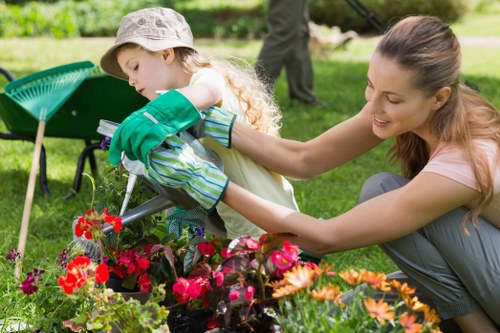
There is no single formula for successful garden landscaping in Hampstead. The right solution depends on the size of the plot, the amount of light, the style of the property, and how you want to use the space. Some gardens benefit from crisp, architectural lines. Others look better with a softer planting scheme and gentle transitions between areas.
For formal homes, a structured design with clipped hedges, defined borders, and balanced paving can look elegant and timeless. For a family garden, a more relaxed layout may work better, with durable lawn areas, robust planting, and separate zones for eating, play, and quiet seating. Commercial customers may need tidy, welcoming outdoor areas that reflect the professionalism of the premises while being easy to maintain.
Many Hampstead customers also value privacy. This can be addressed through layered planting, trellis screening, fencing, hedging, or a careful arrangement of heights and materials. If the garden is overlooked from nearby properties, a landscaping plan can make the space feel more secluded without making it feel closed in. Privacy solutions should be attractive as well as functional.
Popular style directions
- Contemporary minimal gardens with clean paving and simple planting
- Classic English-style gardens with layered borders and seasonal colour
- Low-maintenance family gardens with robust surfaces and clear zones
- Townhouse courtyards with stylish seating and vertical planting
- Shared or managed gardens with practical, tidy, and durable finishes
Hard landscaping and soft landscaping
Effective landscaping combines hard landscaping and soft landscaping in the right proportions. Hard landscaping refers to the permanent or structural parts of the garden, such as paving, paths, retaining walls, steps, edging, and decking. Soft landscaping covers the living elements, including turf, trees, shrubs, perennials, climbers, and mulch.
In Hampstead, many successful gardens use a strong hard landscaping framework to create structure and then soften it with planting. This can be especially effective in smaller gardens where every element needs to earn its place. A paving layout can define movement through the space, while planting adds colour, texture, and seasonal interest. Together, they make the garden feel finished and usable.
For properties with sloping ground or awkward levels, structural work may be essential before planting can succeed. Retaining solutions, level changes, and drainage corrections can all make a major difference to how the garden performs over time. If these details are handled properly, the space is easier to use and much more reliable in wet weather. That practical thinking is often what separates a decent result from a great one.
Examples of mixed landscaping improvements
- New patio with surrounding planting beds
- Raised beds to improve depth and visual interest
- Pathways that connect doors, lawns, and seating areas
- Decking or terrace spaces with nearby screening
- Low walls or edging to define neat border lines
What to consider before starting a project
If you are planning a landscape garden project in Hampstead, it helps to think about what matters most to you before the work begins. Do you want a space for entertaining, a low-maintenance layout, more privacy, better drainage, or a refreshed front garden? The clearer the priorities, the easier it is to build a practical plan.
It is also worth considering how much natural light the garden receives, whether any existing features should be kept, and how the garden will be used across the year. A sunny rear garden may suit a dining area and lighter planting, while a shaded courtyard may need different plant choices and materials that work in lower light. A well-designed scheme should respond to real conditions rather than forcing the wrong solution into place.
Local access matters too. If materials need to pass through a house, down a side return, or through a narrow entrance, the logistics need to be planned carefully. In many Hampstead properties, protecting walls, floors, and access routes is just as important as the landscaping itself. Good preparation reduces hassle and helps the project run smoothly.
Helpful preparation checklist
- Think about the main use of the garden
- Decide whether you want low maintenance or higher planting interest
- Note any drainage, shade, or privacy issues
- Consider what existing features you would like to keep
- Check access points for materials and waste removal
- List any preferred styles, materials, or planting ideas
Pricing factors and what affects the quote
Every garden landscaping project is different, so the cost is usually shaped by the size of the area, the complexity of the design, the materials chosen, and the amount of preparation required. In Hampstead, access can also affect the time and organisation needed, especially where parking is limited or the garden is difficult to reach.
Other factors may include the condition of the existing garden, whether old surfaces or soil need to be removed, whether levels need to be adjusted, and how much planting or structural work is involved. A simple refresh will naturally be less involved than a full redesign with hard landscaping, drainage work, new fencing, and detailed planting.
Rather than treating price as a single figure, it is often more useful to think about value over time. A properly planned outdoor space can reduce maintenance, improve enjoyment, support property presentation, and create a garden that is actually used instead of avoided. That is why many local customers prefer a tailored quote based on the real site conditions.
Factors commonly included in a quote
- Garden size and access
- Ground conditions and site preparation
- Materials and finishes chosen
- Amount of planting and soil work
- Any drainage, fencing, or retaining work
- Waste removal and tidy-up requirements
Residential and commercial landscaping in Hampstead
Although many enquiries come from homeowners, garden landscaping in Hampstead is also important for landlords, property managers, offices, clinics, cafés, and hospitality premises. Commercial outdoor areas need to be attractive, tidy, and practical. They often need to look good with relatively simple upkeep and to reflect the character of the building they serve.
For residential properties, the emphasis is often on comfort, privacy, family use, and personal style. For commercial spaces, the priorities may include presentation, resilience, and accessibility. In both cases, a local landscaping company can tailor the approach so the result suits the purpose of the property.
Some premises need only a small amount of work to make a noticeable difference. A neater entrance, updated borders, improved planting, or a smart sitting area can transform how a garden or frontage is perceived. For landlords and managing agents, these improvements can also support the overall care and appearance of the property without unnecessary complication.
Commercial outdoor spaces can benefit from
- Low-maintenance planting for a neat appearance
- Durable surfaces that handle regular use
- Clear access routes and safe movement
- Boundary planting or screening for privacy
- Consistent upkeep planning where needed
Areas covered around Hampstead
Local garden landscaping services in Hampstead often extend into nearby neighbourhoods where similar property types and access conditions are common. This is useful for customers who live or work close to the area and want a team familiar with the local layout and street patterns.
Nearby areas commonly served include Hampstead Village, Belsize Park, West Hampstead, Swiss Cottage, Primrose Hill, Highgate, Finchley Road, Frognal, Gospel Oak, and parts of Camden and the surrounding North West London area. These locations often have a mix of period homes, converted flats, managed gardens, and compact outdoor spaces that benefit from careful planning.
If your property sits just outside the immediate Hampstead area, it is still worth requesting a quote if you want a local team that understands the style and logistics of the neighbourhood. The closer the service is to the area, the easier it tends to be to organise site visits, deliveries, and project timing.
FAQs about garden landscaping in Hampstead
How long does a landscaping project take?
The timeline depends on the size and complexity of the garden. A smaller refresh may be completed relatively quickly, while a full redesign with structural work, paving, planting, and finishing details will take longer. Access, weather, and material availability can also affect scheduling.
Can you work with small or awkward gardens?
Yes. Many Hampstead gardens are compact, irregular, or split across levels, and these spaces often benefit the most from good planning. A careful layout can make a small garden feel more open and usable, while the right planting can bring warmth and character without overcrowding the space.
What if my garden has poor drainage?
Drainage issues are common in many outdoor spaces. A landscaping plan can include soil improvement, adjusted levels, permeable surfacing, or drainage features to help water move more effectively. The right solution depends on the cause of the problem and the structure of the garden.
Do you help with both design and installation?
Many customers prefer one team to handle the practical landscaping work and coordinate the overall plan. This keeps the project more straightforward and ensures the finished garden matches the original idea. If you already have a clear plan, that can usually be worked from as well.
Can a garden be made lower maintenance without losing character?
Absolutely. Lower maintenance does not have to mean bare or plain. With the right surfaces, planting selection, and layout, you can reduce upkeep while keeping the garden attractive throughout the year. This is a common request for busy households and rental properties.
Do you handle front gardens as well as back gardens?
Yes, and front gardens are often one of the most valuable improvements a property can make. They affect first impressions, light, privacy, and overall presentation. A smart front garden can be just as important as the rear space.
Why choose a local company for garden landscaping in Hampstead
Choosing a local company can make a significant difference to the quality and smoothness of the job. A team that regularly works in Hampstead is more likely to understand the type of properties in the area, the common access challenges, and the importance of working with care around neighbours and shared spaces. That matters whether you are improving a private back garden or a more visible front or commercial area.
Local knowledge also helps with practical communication. It is easier to arrange a site visit, discuss the details in person, and make adjustments if conditions on the ground change. For many customers, that local accountability and responsiveness is just as important as the final finish.
Above all, the best landscaping projects are built around your needs. If you want a peaceful retreat, a place to entertain, a safer family garden, or a smart and welcoming frontage, a tailored approach will help you get there. When the layout, materials, and planting all work together, the whole property feels improved.
Good reasons to enquire now
- You want a garden that suits the property and the local area
- The current layout is difficult to use or maintain
- You need help with access, levels, or drainage
- You want to improve presentation before a property change
- You are ready to compare options and request a quote
Contact us today to discuss your ideas, arrange a visit, or request a free quote for garden landscaping in Hampstead. If you are ready to improve your outdoor space, book your service now and take the first step toward a garden that works better for your home or business.