Garden design and build in Hampstead
If you are planning a new outdoor space in Hampstead, you are likely looking for more than planting advice or a quick tidy-up. You may want a garden that feels considered, practical, and suited to the character of your property. Garden design and build in Hampstead is about turning a blank, tired, awkward, or overgrown outside area into a place that works beautifully for everyday life. Whether you own a period terrace, a townhouse, a mews property, a family home with a compact courtyard, or a commercial premises with outside space, the right approach can make a real difference.
Hampstead has its own character: elegant homes, sloping plots, mature trees, tight access, conservation-aware streets, and gardens that often need creative thinking rather than a one-size-fits-all solution. A well-planned garden can improve how your property feels, how it is used, and how easy it is to maintain. From complete redesigns to carefully phased improvements, a local team can help create a space that reflects the house and suits the way you live.
Many homeowners come to this service because they want a garden that is attractive, durable, and usable all year round. Others need practical solutions for drainage, privacy, storage, family use, or entertaining. Whatever your starting point, a professional garden design and build service should bring structure, clarity, and craftsmanship from the first conversation through to the final planting.
Why Hampstead gardens need a tailored approach

Gardens in Hampstead are rarely simple. Some are long and narrow, some are split over levels, and some are tucked behind older buildings where getting materials in and waste out requires planning. There may be mature planting you want to keep, boundary walls that need care, or an existing layout that does not suit the way the space is used now. A tailored approach ensures the final result feels appropriate to the property and practical for day-to-day living.
Local knowledge matters because Hampstead properties often come with specific constraints. Access can be limited by narrow side returns, shared passageways, restricted parking, or delicate internal routes for carrying materials. A team familiar with the area can plan around these issues from the outset, reducing disruption and avoiding delays. That is especially important for projects involving paving, timber structures, raised beds, lighting, drainage, and planting in confined spaces.
It is also common for gardens in this part of North London to sit alongside conservation considerations, neighbours close by, and a mix of old and new architecture. A good design should respect the character of the property while still making the outside space functional and inviting. The aim is not to impose a style that feels out of place, but to create a garden that belongs naturally to the home.
Our garden design and build approach
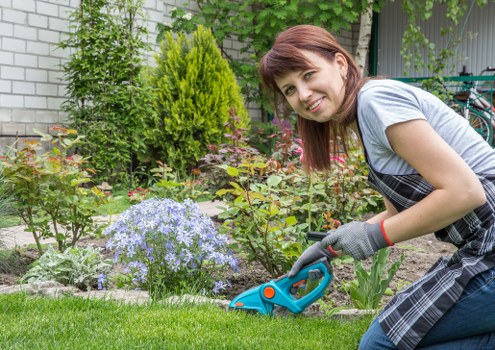
A successful project starts with understanding what the garden needs to do. Some clients want a quiet place to relax. Others need space for children, pets, planting, dining, or working outdoors. The design stage should take into account sun and shade, levels, privacy, circulation, storage, maintenance, and the overall style of the property. A thoughtful layout can make even a compact garden feel generous and useful.
The build stage brings the design to life with careful workmanship and coordination. This may involve ground preparation, hard landscaping, structural elements, drainage adjustments, timber or composite decking, patios, pathways, retaining walls, fencing, lighting, bespoke features, and soft landscaping. Each element should be planned in sequence so the finished space is not only attractive but also built to last.
Throughout the process, clear communication is essential. A local team should explain what is happening at each stage, how the work will be carried out, and what you need to consider before the project begins. That helps keep the experience organised and reduces stress, especially when the work is taking place around family routines or business operations.
What the service can include
- Initial site discussion and practical review of your outdoor space
- Garden layout ideas shaped around your property and lifestyle
- Hard landscaping such as patios, paths, steps, walls, edging, and terraces
- Soft landscaping, including planting plans, shrubs, trees, lawns, and seasonal colour
- Decking, timber features, pergolas, and seating areas
- Lighting, drainage, and water management solutions where needed
- Boundary treatments such as fencing, screens, trellis, and privacy planting
- Ground preparation, soil improvement, and finishing details
Garden design for Hampstead homes and properties
Every property type in Hampstead brings different opportunities. Period homes may have formal proportions that suit structured planting, classic materials, or layered seating areas. Contemporary homes may need a cleaner, simpler layout with crisp lines and low-maintenance finishes. Flat conversions often benefit from compact but well-zoned outdoor spaces that feel calm and private. A skilled design team will respond to those differences rather than using the same formula everywhere.
For residential customers, the most common goals are comfort, visual appeal, and ease of care. Many people want a garden that looks good from the kitchen, offers a space for entertaining, and does not become a burden to maintain. This might mean replacing patchy lawn with a paved terrace and planted borders, adding structure with evergreen planting, or introducing clever storage and lighting to make the space usable into the evening.
Commercial clients in and around Hampstead may need outdoor areas that support staff wellbeing, customer experience, or the appearance of the property. Courtyards, entrance spaces, rooftop terraces, and front gardens can all benefit from a professional design and build approach. The right finish can improve the impression a building gives, while also providing practical durability in a busy setting.
Design ideas that often work well locally
Compact gardens often benefit from layered planting, built-in seating, and materials that keep the space feeling open. In larger plots, zoning can separate dining, relaxation, and planting areas so the garden feels organised rather than empty. In shaded spaces, texture and structure become especially important, while sunny plots may suit more extensive planting, lawn areas, and places to sit for longer periods.
Good garden design is rarely about adding more elements. It is usually about making the right decisions about scale, flow, materials, and maintenance so the space feels calm and balanced. A well-designed garden should be beautiful, but it should also be straightforward to live with.
The build phase: bringing the plan to life

Once the design is agreed, the build phase begins with preparation. This can include clearing old features, removing waste, improving the sub-base, setting levels, and addressing drainage issues before any visible finishes are installed. Good preparation matters because it supports everything that follows. A patio or path is only as good as the groundwork beneath it, and a planted area performs best when the soil and structure are right from the start.
Hard landscaping often forms the backbone of a garden project. In Hampstead, that may include natural stone paving, brick edging, rendered walls, timber structures, and carefully detailed steps or terraces. The materials should suit both the property and the amount of use the space will receive. Surfaces need to be practical in wet weather, and transitions between areas should feel safe, smooth, and visually coherent.
Soft landscaping is the stage where the garden begins to feel alive. Planting should be chosen to suit light levels, soil conditions, and the desired amount of maintenance. A balanced scheme may combine evergreen structure, seasonal interest, and plants that provide shape as well as colour. Lawns, borders, climbers, trees, and container planting can all contribute to a garden that looks settled rather than newly installed.
Popular build elements in Hampstead gardens
- Natural stone or porcelain patios for dining and seating
- Brick or stone retaining walls for level changes
- Timber decking or platforms for flexible outdoor living
- Built-in planters and raised beds to define space
- Garden lighting for safety, atmosphere, and evening use
- Privacy screens and fencing for seclusion in dense residential streets
- Drainage improvements to manage runoff and protect planting
- Sustainable planting choices that work with local conditions
Projects in this area often benefit from thoughtful detailing. Even small details such as edging, joint lines, step dimensions, and planting transitions can shape how polished the finished garden feels. That is why experienced garden builders pay attention to both the overall plan and the finer points of execution.
How the process usually works

Clients often want to know how a garden design and build project begins and what happens next. The process should be straightforward and transparent so you know how the project will unfold. While every project is different, a sensible approach usually follows a clear sequence from first discussion through to completion.
It typically starts with an initial conversation about your goals, the current condition of the garden, and any practical issues that need attention. This is followed by a site assessment, where the layout, access, light, levels, and existing features can be reviewed. From there, the design direction is developed, along with suitable materials and planting ideas. Once the plan is confirmed, the build phase is scheduled and the work is carried out in an organised way.
For some clients, the whole garden is redesigned at once. For others, the work is phased so the most urgent areas are tackled first. This can be useful when budgets need to be managed over time or when access and family routines make a full-scale project less practical. A flexible local service should be able to discuss both options honestly and help you choose the right route.
What you can expect during the project
- A discussion about your goals, lifestyle, and preferred garden style
- A review of the site, including access, levels, sun, shade, and drainage
- Ideas for layout, materials, planting, and key features
- Clear planning of the build stages and practical logistics
- Careful installation of hard and soft landscaping elements
- Final detailing, tidying, and handover of the completed space
Because Hampstead streets can be busy and access may be limited, planning deliveries and working methods carefully is often important. A local team used to working in the area will think ahead about where materials will be stored, how waste will be removed, and how to minimise disruption to neighbours and occupants.
Preparation checklist before your project begins
Good preparation helps a garden project run more smoothly and can reduce avoidable delays. If you are arranging garden design and build in Hampstead, it is useful to think about the practical details early. You do not need to have every decision finalised before speaking to a professional, but having a clear idea of your priorities will help shape the project.
Helpful things to consider before work starts:
- How you want to use the space day to day
- Whether you need seating, dining, children’s play, or quiet areas
- Any existing features you would like to keep
- Privacy concerns from overlooking neighbours
- Drainage issues, standing water, or uneven ground
- Whether you want low-maintenance planting or a more abundant garden
- Access restrictions, parking limits, or shared entrances
- Any timing needs linked to family life or business use
It can also help to gather images or notes about styles you like, although a good designer will guide you beyond simple inspiration pictures. The aim is not to copy a look exactly, but to identify what suits your home and how you want to live outdoors.
Simple ways to prepare the site
Before the team arrives, it may be useful to clear smaller items, move outdoor furniture if requested, and make sure access routes are as open as possible. If there are pets, children’s toys, or delicate pot plants in the work area, these should be moved to a safe place. If there are neighbours who may be affected by deliveries or noisy stages, it can be considerate to let them know in advance, especially where access is tight.
Pricing factors and what affects the quote
Garden projects vary widely, so it is normal for pricing to depend on the specific scope of work. There is no sensible one-price-fits-all answer because material choices, access, design complexity, and ground conditions all affect the final cost. A reliable local company should explain the main factors clearly so you understand what is influencing the quote.
Common pricing factors include:
- Size of the garden and amount of work involved
- Extent of demolition, clearance, and preparation
- Choice of paving, timber, stone, brick, and other materials
- Complexity of levels, drainage, retaining structures, and access
- Amount of planting and the maturity of plants selected
- Lighting, irrigation, or bespoke features
- Logistics around parking, loading, and site access in Hampstead
It is worth comparing like for like when reviewing proposals. A lower figure may not include the same level of groundwork, specification, or finish, while a more detailed quote can help you understand exactly what is covered. If you are planning the work in stages, the discussion should also address which parts are best tackled first and how future phases might be incorporated later.
Well-planned gardens often prove more cost-effective over time because the right materials and structure reduce the need for rework. Investing in the layout, drainage, and foundations first can save problems later and help the planting establish properly.
Why choose a local team for Hampstead garden projects
Choosing a local company for landscaping, garden design, and outdoor construction can make the whole process easier. A local team is more likely to understand the street patterns, access constraints, property styles, and practical challenges common in Hampstead and nearby areas such as Belsize Park, Gospel Oak, Swiss Cottage, Kentish Town, Highgate, and Primrose Hill. That familiarity can help with planning, scheduling, and the overall fit of the finished design.
Local services also tend to be better placed to respond quickly, assess sites efficiently, and coordinate work around the realities of residential and commercial properties in the area. If a project needs careful movement of materials, protection of existing surfaces, or coordination with other trades, a nearby team can often manage those details more smoothly.
For many customers, the reassurance comes from having one team understand the garden from concept to completion. That continuity can be especially valuable where the design is bespoke, the garden is compact, or the property has features that need a sensitive approach. The result should feel cohesive rather than pieced together.
Benefits of a local service
- Better understanding of Hampstead property types and access constraints
- Practical planning for narrow streets, parking, and deliveries
- Faster site visits and clearer communication
- Designs that suit local homes and outdoor lifestyles
- More efficient coordination between design, materials, and installation
Areas covered
Garden design and build services in Hampstead often extend beyond the immediate village area and into nearby neighbourhoods where similar property types and access conditions apply. Local customers may be in:
- Hampstead Village
- Hampstead Heath surroundings
- Belsize Park
- Swiss Cottage
- Gospel Oak
- Highgate
- Kentish Town
- Primrose Hill
- West Hampstead
- Fitzjohns Avenue and nearby residential streets
If your property is in or around these areas, a local garden design and build team can usually advise on the best approach for your site conditions and the style of finish you want. Commercial properties in the wider area can also benefit from tailored outdoor improvements that feel appropriate to the building and its users.
Whether the space is a front garden, back garden, courtyard, side return, terrace, or communal outdoor area, the aim is the same: create a finished result that looks right and works well.
Frequently asked questions
Below are some common questions from Hampstead customers who are thinking about a new garden project. If you are unsure where to begin, these answers may help you decide what to do next.
Can you work with small or awkward gardens?
Yes. Many of the most rewarding projects are in compact or difficult-shaped spaces. Careful zoning, proportion, planting choices, and material selection can make a small garden feel more usable and attractive.
Do I need a full redesign, or can part of the garden be improved?
You do not always need a complete overhaul. Some clients ask for one area to be improved first, such as a patio, side return, boundary screen, or planting scheme. A phased approach can be a practical way to improve the garden over time.
What if my garden has drainage or level issues?
These are common challenges and should be addressed early. A proper build process can include grading, drainage improvements, and retaining features to help manage water and make the space safer and more functional.
Will the design suit my property style?
That should be one of the main priorities. A good design should complement the house, whether the style is traditional, period, contemporary, or mixed. Materials and planting should feel coherent with the building and surroundings.
Can you help with both residential and commercial outdoor spaces?
Yes. Garden design and build services can be adapted for private homes, landlords, shared gardens, office courtyards, hospitality spaces, and other commercial settings.
How soon should I enquire?
If you are planning a project for a particular season or event, it is sensible to start early so there is time to discuss ideas, assess the site, and schedule the work properly. Contact us today to begin the conversation and request a free quote.
What makes a garden feel truly finished
It is often the finishing details that make a garden feel complete. Clean edges, consistent levels, thoughtful planting transitions, and careful material junctions all contribute to the overall impression. In Hampstead, where many properties have a strong architectural identity, these details matter even more. They help the outside space look settled, elegant, and appropriate to the home.
A finished garden should also be easy to use. That means paths that make sense, seating that is placed well, access that is comfortable, and planting that does not feel overwhelming. It should suit the way you actually live rather than only looking good in photographs. When the balance is right, the space can become part of everyday life rather than a separate area that is hard to maintain or awkward to enjoy.
If you are considering garden design and build in Hampstead, the best next step is to talk through what you want to achieve. Whether you have a clear idea or only a rough direction, a local team can help shape the project around your property, your schedule, and your priorities. Request a free quote and take the first step toward a garden that feels practical, attractive, and well made.
Book your service now if you are ready to turn your outdoor area into a space that works better for you, your family, or your business. A well-planned garden can add enjoyment every day, and it starts with the right design and a careful build.